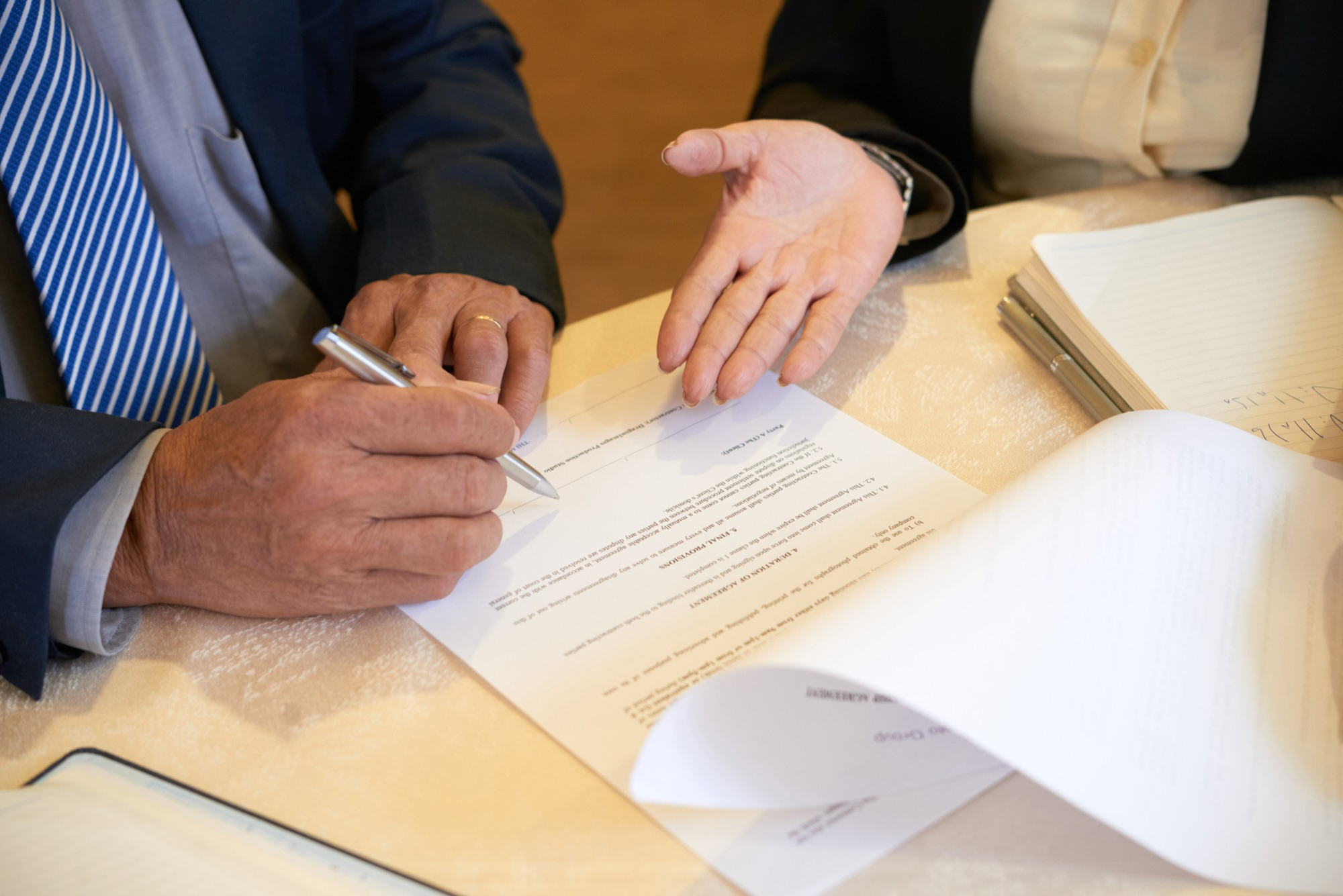
Massachusetts Small Estate Affidavit (Form MPC 170): Eligibility and Filing Guide

When someone dies leaving a relatively small estate, surviving family members may wonder whether they must go through the full Massachusetts probate process to collect bank accounts, transfer a vehicle, or distribute personal property.
Massachusetts provides a simplified procedure called voluntary administration, sometimes referred to as a small estate affidavit. It allows qualifying estates to be handled with less court involvement than conventional probate.
The official document is the Voluntary Administration Statement (Form MPC 170). Although the procedure is simpler, eligibility requirements and limitations still apply.
For families in Hopkinton, MetroWest, and surrounding Massachusetts communities, understanding these requirements can help avoid unnecessary filings and delays. If you are uncertain which process applies to a loved one’s estate, Collinson Law Office provides probate assistance for Hopkinton and MetroWest families.
What Is a Massachusetts Small Estate Affidavit?
Massachusetts law allows certain small estates to be administered through voluntary administration under Massachusetts General Laws Chapter 190B, Section 3-1201.
Rather than seeking a conventional appointment as personal representative, an eligible individual files Form MPC 170 with the Probate and Family Court. That person becomes known as a voluntary personal representative.
The procedure provides limited authority to collect and distribute qualifying personal property without completing the usual informal or formal probate process.
Voluntary administration does not eliminate court involvement entirely. The statement must still be filed with the appropriate court, and the person handling the estate remains responsible for complying with applicable law.
For a broader explanation of available procedures, Collinson Law Office describes the different options in its Massachusetts probate administration and estate settlement overview.
Who Qualifies for Voluntary Administration in Massachusetts?
Not every small estate qualifies. Massachusetts establishes specific conditions for using Form MPC 170.
Generally, the following requirements must be satisfied:
- The deceased person was a Massachusetts resident at the time of death.
- At least 30 days have passed since the death.
- The probate estate consists entirely of personal property, with no probate real estate.
- The total value of the probate personal property is $25,000 or less, excluding the value of one motor vehicle.
- No formal or informal petition seeking probate of a will or appointment of a personal representative has already been filed.
- The person filing is legally eligible to serve as a voluntary personal representative.
These requirements are described in the Massachusetts Probate and Family Court’s official voluntary administration instructions (MPC 961). Massachusetts Government
Does the $25,000 Limit Include a Car?
Massachusetts excludes the value of one motor vehicle when calculating the $25,000 personal-property limit.
For example, suppose someone dies owning an individually titled bank account containing $17,000 and a vehicle valued at $20,000. The vehicle’s value is excluded from the statutory calculation, so the estate may qualify for voluntary administration if all other requirements are satisfied.
The calculation concerns assets belonging to the probate estate. Property passing directly to a surviving joint owner or designated beneficiary generally does not become part of the probate estate.
What If the Deceased Person Owned a House?
Real estate ownership requires careful examination.
If the deceased person owned a home individually and that property must pass through probate, voluntary administration generally is not available.
However, owning a home does not automatically disqualify an estate. Property held jointly with a right of survivorship, for example, may pass directly to the surviving owner without becoming a probate asset.
The important distinction is whether the estate includes real property requiring probate, not simply whether the deceased person had an ownership interest in a house.
What Documents Are Needed to File Form MPC 170?
The Massachusetts Probate and Family Court generally requires a completed Voluntary Administration Statement (MPC 170), a certified death certificate, and the original will if the deceased person left one.
Depending on the circumstances, additional documents may be necessary, including an Affidavit of Domicile (MPC 485) or Cause of Death Affidavit (MPC 475).
The statement requires information about the deceased person, the proposed voluntary personal representative, interested parties, and the estate’s assets.
The court provides the official Massachusetts Voluntary Administration Statement (MPC 170), together with instructions and information about additional forms that may be required. Massachusetts Government
How to File a Massachusetts Small Estate Affidavit
Filing Form MPC 170 involves several steps. Although the procedure is simplified, completing it accurately is important.
Step 1: Confirm That the Estate Qualifies
Before filing, identify the deceased person’s probate assets and determine their value.
Pay particular attention to how bank accounts, vehicles, real estate, and investment accounts were owned. Assets that pass directly to beneficiaries may be treated differently from individually owned assets requiring estate administration.
Step 2: Gather the Required Documents
Obtain a certified death certificate, locate the original will if one exists, and collect information about the estate’s assets and interested parties.
You should also verify whether additional affidavits are necessary.
Step 3: Complete Form MPC 170
The statement identifies the deceased person, the individual seeking to act as voluntary personal representative, and the assets to be collected.
An important requirement concerns notice to the Division of Medical Assistance, Estate Recovery Unit. The court’s instructions require the filer to certify that the prescribed notice, including copies of the statement and death certificate, was sent by certified mail before filing.
This requirement should not be overlooked merely because the estate is small.
Step 4: File With the Appropriate Probate and Family Court
The statement is generally filed in the Massachusetts county where the deceased person resided.
For Hopkinton and nearby Middlesex County communities, this generally means the Middlesex Probate and Family Court. Families elsewhere in MetroWest may need to file in Worcester or Norfolk County.
The Massachusetts court explains the available filing methods in its guide to filing a voluntary administration. Massachusetts Government
Step 5: Obtain the Attested Statement
After the filing is processed, the Register of Probate issues an attested copy of the Voluntary Administration Statement.
This document provides evidence of the voluntary personal representative’s limited statutory authority to collect qualifying estate property.
The filing does not constitute a conventional court appointment, and the voluntary personal representative does not receive the general Letters of Authority issued in ordinary probate proceedings.
What Does Filing Cost?
As of November 2026, Massachusetts lists a $115 filing fee, consisting of a $100 filing fee and a $15 surcharge. The fee includes one attested copy of the statement. Additional copies may require separate fees.
These amounts should be confirmed before filing because court fees may change. Massachusetts Government
What Can a Voluntary Personal Representative Do?
A voluntary personal representative has limited authority to collect and administer the personal property identified in the statement.
This may include obtaining funds from financial institutions, collecting certain payments owed to the deceased person, paying appropriate estate expenses and debts, and distributing remaining property according to the will or Massachusetts inheritance law.
However, the authority is narrower than that of a personal representative appointed through informal or formal probate.
Voluntary administration does not provide general authority to sell probate real estate or handle every legal matter involving the deceased person’s estate. Certain claims, disputes, or transactions may require a conventional probate appointment.
The voluntary personal representative must also handle estate funds responsibly. A simplified filing procedure does not eliminate obligations to creditors, beneficiaries, or other interested parties.
Families should therefore avoid distributing assets before considering outstanding expenses, debts, and other obligations.
What If the Estate Does Not Qualify?
An estate may be ineligible because it exceeds the financial threshold, contains probate real estate, or requires legal authority beyond what voluntary administration provides.
In those circumstances, informal or formal probate may be appropriate.
Informal probate generally provides an administrative process for qualifying uncontested estates. Formal probate involves judicial proceedings and may be necessary when disputes or other circumstances require court involvement.
Collinson Law Office discusses these alternatives in Probate Alternatives: How Small Estates Can Bypass the Court Process in Massachusetts.
Selecting the appropriate procedure at the outset can help families avoid unnecessary filings and complications.
Frequently Asked Questions About Massachusetts Form MPC 170
Can I File Form MPC 170 If There Is a Will?
Yes. Voluntary administration may be available whether the deceased person left a will or died without one, provided the estate meets the statutory requirements. The original will must be submitted when applicable.
Do I Have to Wait 30 Days After the Death?
Yes. Massachusetts requires at least 30 days to pass before filing the Voluntary Administration Statement.
Can I File If I Live Outside Massachusetts?
Potentially. The deceased person must have been domiciled in Massachusetts, but an otherwise eligible individual filing the statement does not necessarily have to reside in the state.
Does Voluntary Administration Avoid Probate Court Completely?
No. Voluntary administration requires a Probate and Family Court filing. Its advantage is that qualifying estates can be administered without the conventional process for appointing a personal representative.
What Happens If Additional Assets Are Discovered Later?
An amendment may be possible if newly discovered assets remain within the statutory limits. Generally, a motion to amend the statement is required.
If additional assets cause the estate to exceed the eligibility requirements, another probate procedure may be necessary.
The Massachusetts Probate and Family Court addresses amendments and procedural limitations in its voluntary administration procedural guide. Massachusetts Government
When Should You Speak With a Massachusetts Probate Attorney?
Some straightforward estates can be handled through voluntary administration without extensive legal assistance.
However, professional guidance may be valuable when ownership is unclear, real estate is involved, creditors have competing claims, family members disagree, or the estate includes assets requiring broader legal authority.
An attorney can help determine whether voluntary administration is appropriate and explain the responsibilities involved in collecting property, addressing outstanding obligations, and distributing assets.
For families unfamiliar with Massachusetts probate procedures, an early review may prevent errors that become more difficult to correct later.
Small Estate Probate Guidance for Hopkinton and MetroWest Families
Massachusetts voluntary administration offers a useful alternative to conventional probate for qualifying small estates. However, the simplicity of Form MPC 170 should not obscure the importance of accurate asset information, proper filing, and responsible estate administration.
Collinson Law Office assists individuals and families in Hopkinton, MetroWest, and surrounding Massachusetts communities with probate administration and estate settlement.
If you are uncertain whether a loved one’s estate qualifies for voluntary administration, or need help determining the appropriate probate procedure, you can schedule a consultation with Attorney Ken Collinson to discuss your circumstances and available options.
This article provides general educational information about Massachusetts probate procedures and is not legal advice. Eligibility and filing requirements depend on the circumstances of the estate and applicable Massachusetts law.