Estate planning is a crucial aspect of managing your assets and ensuring your wishes are carried out after your death or upon your becoming incapacitated. Here are some frequently asked questions about estate planning:
What is estate planning?
Estate planning is the process of arranging for the transfer of your assets in the event of your death or incapacitation. An effective estate plan is designed in two parts. The first part is to deal with the implications of a sudden occurrence which leaves you unable to make decisions for yourself, and the second half is to ensure that upon your death, your assets are distributed in accordance with your wishes. There is much more to estate planning than this, but these are the basics.
Why is estate planning important?
Imagine if you could provide for your family’s financial security, have decisions in place regarding your healthcare and guardianship forms in place in the event something unforeseen occurs and you need your children cared for. This is why an estate plan is important. These documents can save a lot of grief, time, and money for your loved ones in the event you should become disabled or lose your life unexpectedly.
When should I start estate planning?
Any person who has assets, a family member who has a disability, or has significant wealth should have an estate plan in place. You are never too young to have an estate plan if you have assets which do not have designated beneficiaries.
What documents are typically included in an estate plan?
Your estate planning documents outline your wishes regarding asset distribution, healthcare decisions, and the management of your finances. This may involve trusts, wills, guardianship documents, powers of attorney, or health care proxies. Since each estate plan is customized, your estate plan will look different than other’s estate plans.
What is a will, and why do I need one?
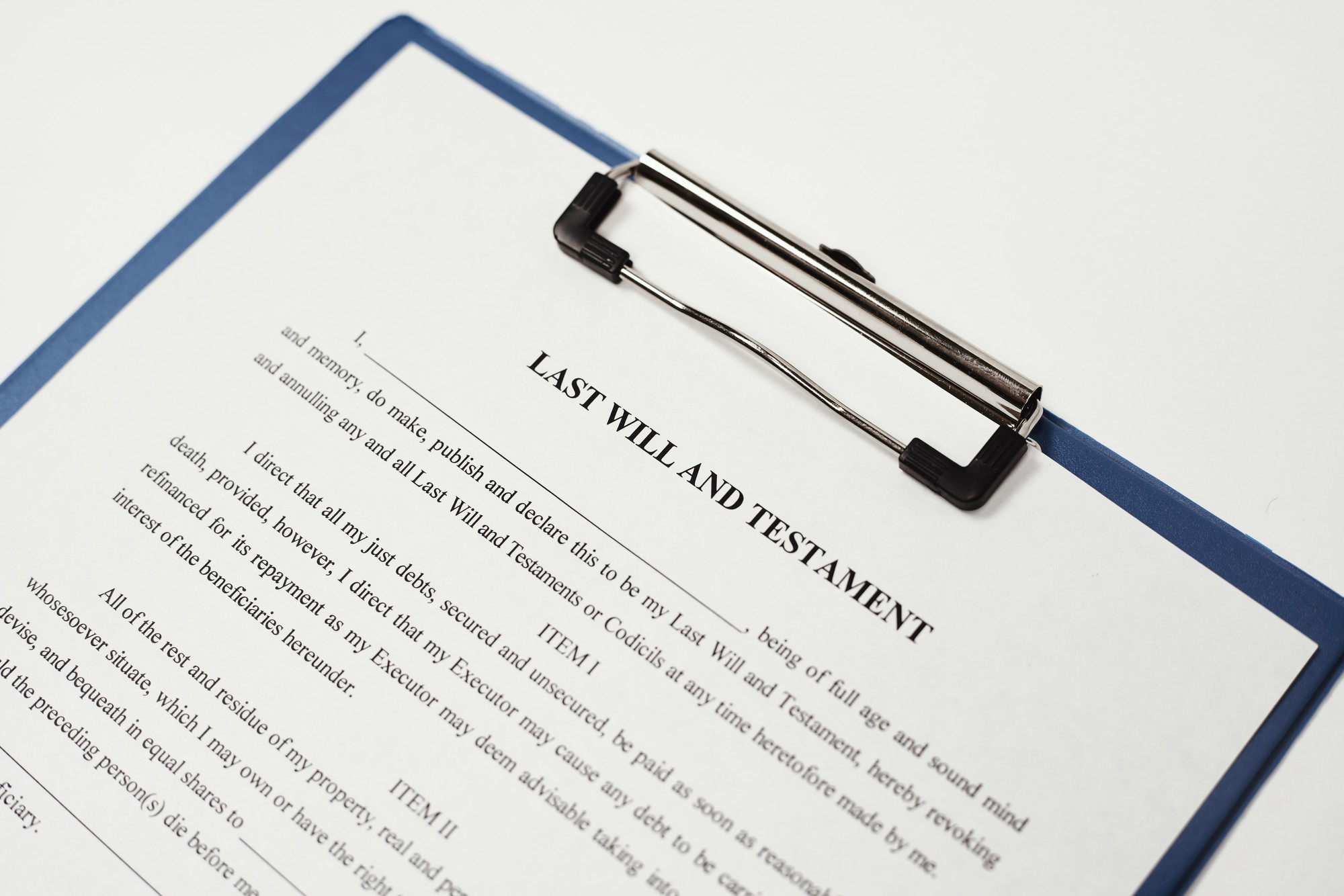
A will is a legal document that outlines how you want your assets distributed after your death. It allows you to name an executor to carry out your wishes and specify guardianship for minor children if needed. If you die without a will (known as intestate) then the Commonwealth of Massachusetts will ultimately use their guidelines for distribution of your assets.
What are trusts?
A trust is a legal arrangement where a trustee manages assets. During your lifetime, you would be the trustee and the successor trustee would be able to take control of your assets immediately upon your death or incapacitation.. Trusts can be used to avoid probate, manage assets for minor children, and provide for special needs individuals. One of the most significant advantages of trusts is privacy. Unlike a will, trusts are not required to go through the probate process meaning there is no public record of your estate.
How does estate planning help minimize taxes?
Proper estate planning can help minimize estate taxes by using strategies such as gifting, setting up trusts, and taking advantage of tax exemptions. We will discuss the various ways that your estate plan can help minimize the taxes your loved ones will have to deal with following your death.
What happens if I die without an estate plan?
If you die without an estate plan, your assets will be distributed according to the laws of the Commonwealth of Massachusetts. This distribution may not align with your wishes. The probate process could also be more time-consuming and costly.
Can I make changes to my estate plan?
Yes. It is important to remember that it is essential to review and update your estate plan regularly. Any significant life events such as marriage, divorce, the birth of children, or changes in financial circumstances would warrant making changes.
Do I need a lawyer for estate planning?
While it’s possible to create some basic estate planning documents on your own, consulting with an estate planning attorney is advisable. There are several reasons for working with an attorney including their knowledge of the laws of the Commonwealth and their understanding of the importance of a customized plan that works for you and helps meet your needs and goals.
Estate planning is a personal process. The specifics can and should vary based on your individual circumstances. At Collinson Law, we will help you design an estate plan that helps meet your long-term goals.